
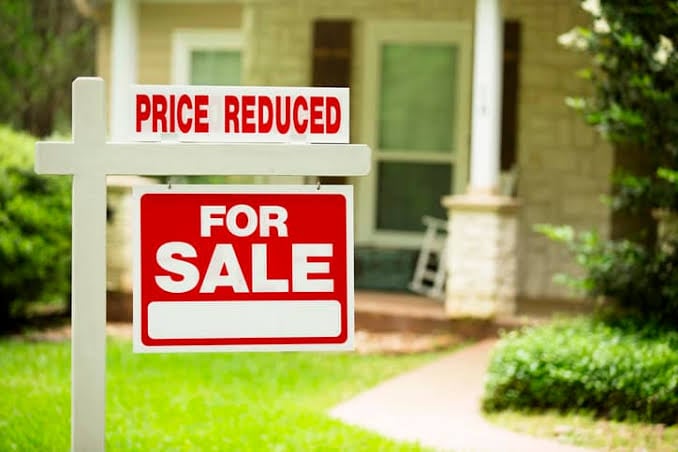
The Right Way to Cut Your List Price in a Cooling Central Maryland Market
A price reduction can either re-energize a stale listing or confirm a buyer's suspicion that something is wrong, and the difference comes down to timing and size, not whether you cut at all. One clean, meaningful correction inside the first two to three weeks usually works. A series of small, reactive cuts almost never does.
Key takeaways:
- A single, decisive price cut made early tends to outperform several small ones made late. Timing and size matter more than the fact that you dropped the price at all.
- Small cuts, $2,000 to $3,000 on a home priced well above $400,000, rarely change anything. They don't move you into a new buyer bracket, and they read as hesitation rather than correction.
- Buyers search in round-number brackets. Dropping from $505,000 to $499,000 puts you in front of an entirely new pool of buyers capped at $500,000, even though the dollar difference is small.
- The longer a listing sits without a correction, the more buyers start assuming something is structurally wrong, which becomes its own separate obstacle on top of the price itself.
- Baltimore metro inventory is up more than 17% year over year, which means buyers increasingly have real alternatives and less reason to stretch for an overpriced listing.
When your home sits active for a few weeks without an offer, a particular kind of quiet sets in. You refresh your phone constantly, waiting on showing feedback. You clean the house before every walkthrough, load the kids or the dog into the car, leave for an hour, and come home to hear the buyers "liked the layout but aren't ready to move."
Eventually the conversation you've been avoiding comes up: is it time to lower the price?
For most sellers, a price drop feels like a defeat, like it's giving up equity or making the house look damaged. In reality, a price reduction is a real tactical tool, but only when it's executed with precision. There's a real difference between one calculated correction that pulls in new buyers and a string of reactive, shrinking cuts that tell the market you're stuck.
A Tale of Two Price Drops
The first seller owned a detached four-bedroom rancher in Carroll County. They listed at $495,000, aiming for the ceiling of recent neighborhood sales. Over the first two weekends they had twelve showings and zero offers. The feedback was consistent: a beautiful house, but buyers could find similar square footage nearby for less.
On day fourteen, they didn't wait it out. They looked at the fresh active competition and made one decisive cut of $15,000, bringing the price to $480,000. Because they moved while the listing was still fresh, it caught a new pool of buyers whose search had been capped at $480,000. Within four days they had two competing offers and were under contract.
The second seller owned a similar property in the Perry Hall corridor of Baltimore County. They also overshot the market, listing at $510,000. After two weeks of silence, they held firm, wanting to "wait for the right buyer." By day thirty, showings had dried up entirely. They finally cut the price, but only by $3,000. Buyers didn't react. Two weeks later, another $5,000 cut. Still nothing.
By day sixty, the listing carried the weight of every stale listing: buyers started asking what was actually wrong with it. Eventually, the seller had to drop all the way to $475,000, well below what a single clean correction in week two would likely have captured.
Why the First Seller Won and the Second Lost
Baltimore metro active inventory is up more than 17% year over year. That's a real, region-wide shift: buyers increasingly have alternatives, and they're less willing to stretch for an overpriced listing out of scarcity.
A listing's highest period of buyer attention is generally its first 10 to 14 days on the market, when it's freshest in automated alerts reaching buyers actively working with agents. Plenty of showings but zero offers past that window is the market telling you your price and your property's perceived value aren't aligned.
As a general pattern, sellers who make one meaningful correction tend to find a buyer noticeably faster than sellers who cut the price repeatedly in small increments while a cooling market keeps moving underneath them. Chasing the market down in small steps usually means settling for less than a single clean correction would have captured, because each small cut is already responding to conditions that have moved on by the time it's made.
The "Desperation" Signals to Avoid
Buyers and their agents read a listing's price history closely. A sloppy correction strategy hands them leverage at the negotiating table.
Death by a thousand cuts. Small, incremental drops, $2,000 or $3,000 on a home priced well above $400,000, don't change your buyer pool at all. They just tell the market you're testing the water rather than actually correcting course.
Waiting too long to act. Letting a listing sit 45 or 60 days before the first adjustment is a real mistake. Baltimore County homes have generally been selling in around 27 days recently, with some tighter pockets moving faster and Carroll and Frederick counties currently running closer to five to six weeks. Whatever your specific corridor's pace is, crossing well past it without a correction turns your listing into a target for lowball offers.
Chasing the market downward. A small cut against a still-growing pool of competing inventory just keeps you perpetually behind. You end up pricing to where the market was two weeks ago instead of where it is today.
The Strategy of a Successful Price Correction
A correction that works is sized to move you into a new bracket of buyers, not just shave a few thousand dollars off the sticker.
Most buyers set search filters at round numbers: under $400,000, under $450,000, under $500,000. A home listed at $505,000 is invisible to every buyer whose search caps at $500,000, no matter how well it shows. Dropping from $505,000 to $499,000 is worth far more than the $6,000 difference on paper. It's a move into an entirely new audience's search results on day one.
Made cleanly, and made within the first two to three weeks, a correction reads as a professional realignment. Made late, and made in small increments, it reads as panic.
Before you agree to any number, run it against your actual net proceeds, not just the list price. Factor in your remaining mortgage balance, Maryland's transfer and recordation taxes, and your normal closing costs. A correction that still clears your real bottom line is a strategic move. One that doesn't might mean the property needs a different approach entirely, whether that's a longer hold, a different marketing angle, or a harder look at what's actually achievable in your specific micro-market right now.
Which Situation Are You In?
If you're inside your first two weeks with strong showings but no offers, your priority is speed. Look at the fresh competition that's come on since you listed and make one meaningful cut that crosses a real buyer-search threshold, rather than waiting to see if the market corrects itself.
If you're already past 30 or 45 days with a stale listing, your priority is breaking the stigma, not just adjusting the number. A single, larger correction paired with fresh photos or a relaunch does more here than another small trim.
If you're setting your price before you ever go live, your priority is agreeing on a trigger in advance. Decide with your agent now what specific day and what specific showing-to-offer ratio would call for a correction, so the decision isn't an emotional one made under pressure later.
Frequently Asked Questions
How do I know if it's time to lower my price? Watch your showing-to-offer ratio. If you're getting 10 or more showings in the first two weeks with zero offers, your marketing and presentation are working and your price is the blocker.
Is a small price drop worse than no price drop at all? Often, yes, if it's too small to move you into a new buyer bracket. A $2,000 or $3,000 cut on a home priced well above $400,000 usually just signals hesitation without expanding your actual buyer pool.
How big does a price reduction need to be to work? Big enough to cross a round-number search threshold buyers are actually using, like moving from just above $500,000 to just under it, not simply a dollar amount that feels meaningful to you.
How long should I wait before making my first price adjustment? Generally within the first two to three weeks if showings aren't converting to offers. Waiting past 30 to 45 days lets a listing accumulate the kind of stigma that becomes its own obstacle.
Does a price drop hurt my home's perceived value? A single, well-timed, appropriately sized correction generally doesn't. A series of small, reactive cuts is what damages perceived value, since it reads as a seller chasing the market rather than repricing deliberately.
What's happening in the broader market right now that affects this? Baltimore metro inventory is up more than 17% year over year, giving buyers more real alternatives than they've had recently. That makes a well-timed correction more important, not less, since buyers have less reason to stretch for an overpriced listing.
Should I relaunch my listing after a price correction? Refreshed photos and a relisting alongside a meaningful price correction can help reset a stale listing's perception, especially past the 30-day mark, though the price correction itself is what actually needs to be substantial.
Fix the Number Before It Becomes a Bigger Problem
Selling for the strongest price isn't about avoiding a price drop altogether. It's about matching your current asking price to real, current buyer behavior before your listing accumulates the kind of stigma that costs you far more than any single correction would.
Before you launch, or before you make your next adjustment, look at the actual active competition in your specific neighborhood, not just your original comps, and decide in advance what showing activity would trigger a real correction rather than a token one.
If your listing has gone quiet and you want a clear-eyed read on where your price actually needs to land, a seller consultation is the fastest way to get there. If you're earlier in the process and want to know what your home is worth before you ever list, a free valuation is the place to start.
Check out this article next