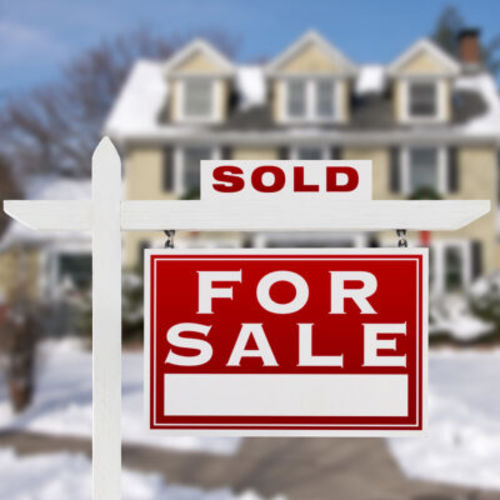

Selling a home in Maryland in 2026 is a different game than it was two years ago. With inventory rising and the "recalibration" of the market in full swing, buyers are taking their time. They are more selective, more cautious, and more focused on value.
To succeed, you need to shift your mindset. You aren't just selling a house; you are offering a product. This guide is your step-by-step roadmap to ensuring that product is the most desirable one on the block.
Phase 1: The Strategic Prep (3–6 Months Out)
Most sellers make the mistake of starting with a "For Sale" sign. The most successful sales actually begin months before the first buyer walks through the door.
1. A Pre-Listing Inspection
While totally optional, a pre-listing inspection in Maryland’s current market can be a power move. For roughly $400–$600, you identify the "deal-killers" before a buyer does. There's even ways to use these to help insure the property against claims for the next year! More on this later...
Why it works: It removes the "fear of the unknown." If you know the roof has two years left or the HVAC needs a minor part, you can fix it now for hundreds rather than being forced to credit thousands at the closing table under duress.
2. The "De-Personalization" Phase
Buyers need to see their life in your home, not yours.
The 50% Rule: Aim to remove 50% of the items in your closets, pantry, and bookshelves. This creates the appearance of more storage space while still keeping your house home.
Personal Photos & More: Pack 'em up. You want the buyer to focus on the house, not your high schoolers graduation and vacation photos whenever possible.
3. Curb Appeal: The First 7 Seconds
CURB APPEAL IS KING. Whether it’s a rowhome in Federal Hill or a colonial in Ellicott City, the first impression happens before they even park the car.
Power wash everything: Siding, walkways, and the driveway.
The Front Door: A fresh coat of paint and new hardware can return 10x its cost in perceived value.
Landscaping: Fresh mulch (dark brown or black) and seasonal flowers near the entry.
Phase 2: Mastering the Maryland Disclosures
Maryland law (specifically Md. Code § 10-702) is unique. You have a legal obligation to provide the buyer with one of two things: a Disclosure Statement or a Disclaimer Statement.
1. Disclosure vs. Disclaimer
The Disclosure: You list everything you know about the property’s condition (roof, plumbing, HVAC, etc.). This is common for long-term homeowners.
The Disclaimer: You sell the home "as-is" with no representations or knowledge of any latent defects. This is common for estates or investors. It's the easier option for many people but not always the way to go... here's what that means
The Latent Defect Rule: Regardless of which you choose, you must disclose "latent defects"—hidden issues not visible to the naked eye that pose a health or safety risk (e.g., lead paint, mold in walls, or structural cracks). Failure to disclose these can lead to massive legal headaches post-closing.
2. The HOA/Condo Resale Packet
If you live in a community with an HOA or Condo association, you must provide the buyer with a "Resale Packet."
The Clock is Ticking: Buyers in Maryland have a 7-day right of rescission (for HOAs) or a 5-day right (for Condos) after receiving these documents. Get these ordered early!
Phase 3: Staging for 2026 Trends
In 2026, the "cold gray" look is officially out. Buyers are gravitating toward what designers call "Warm Minimalism."
1. The Color Palette
If you are painting, skip the "Agreeable Gray." Move toward "Swiss Coffee" or warm whites with earth-toned accents. Buyers want a home that feels like a sanctuary, not a sterile hospital wing.
2. High-Value Rooms
The Kitchen: You don't need a $50k renovation. New hardware (matte black or brushed brass) and professional cabinet painting can transform the space for a fraction of the cost.
The Primary Suite: Stage this like a hotel. White bedding, minimal furniture, and zero clutter on the nightstands.
Phase 4: Pricing in a "Recalibrated" Market
This is the most critical step. In 2026, Maryland is seeing increased Median Days on Market in many areas. If you overprice, you will sit. If you sit, you become "stale," and buyers will wonder what is wrong with the house.
1. The 14-Day Rule
If you don't have a serious offer or significant showing activity within the first 14 days, the market is telling you your price is too high.
Strategy: Be the "Newest, Best Value" rather than the "Oldest, Highest Price."
2. Appraisal Prep
Ensure your agent provides a "Comps Folder" for the appraiser. Include a list of every upgrade you’ve made, from the new French drain to the smart thermostat. This helps justify your price to the bank.
Phase 5: The Financials (Closing Costs)
Don't be surprised by the "net" on your check. In Maryland, seller closing costs typically hover around 3% to 4% (excluding realtor commissions).
Typical Seller Expenses:
| Expense | Estimated Cost (MD Average) |
| Transfer Taxes | Often split 50/50 with buyer (approx. 0.5% each) |
| Recording Fees | $2,000 - $3,000 depending on county |
| Prorated Property Taxes | Based on your settlement date |
| Title Search Fees | $200 - $500 |
| Water/Sewer Escrow | Required by many MD counties to ensure final bills are paid |
Note: First-time Maryland homebuyers are exempt from the state portion of the transfer tax (0.25%), but the seller is legally required to pay that portion unless negotiated otherwise.
Phase 6: From Contract to Closing
Once you accept an offer, you enter the "inspection period." In 2026, buyers are using inspections to renegotiate the price.
1. The Inspection Response
Don't take it personally. If a buyer asks for 10 repairs, focus on the big three: Safety, Structure, and Systems. Offer a "Closing Cost Credit" instead of doing the repairs yourself—this keeps the liability on the buyer's side and ensures you don't have to manage contractors while moving.
2. The Final Walkthrough
The home must be in "broom-clean" condition. This means:
All trash removed (even from the crawlspace/attic).
Carpets vacuumed.
All light bulbs functioning.
Conclusion: Reality vs. Headlines
The Maryland market isn't what it was in 2021, and that’s okay. A balanced market is a healthy market. By following this roadmap—focusing on prep, mastering the disclosures, and pricing with precision—you position yourself as the "Market Authority" of your own sale.
Check out this article next